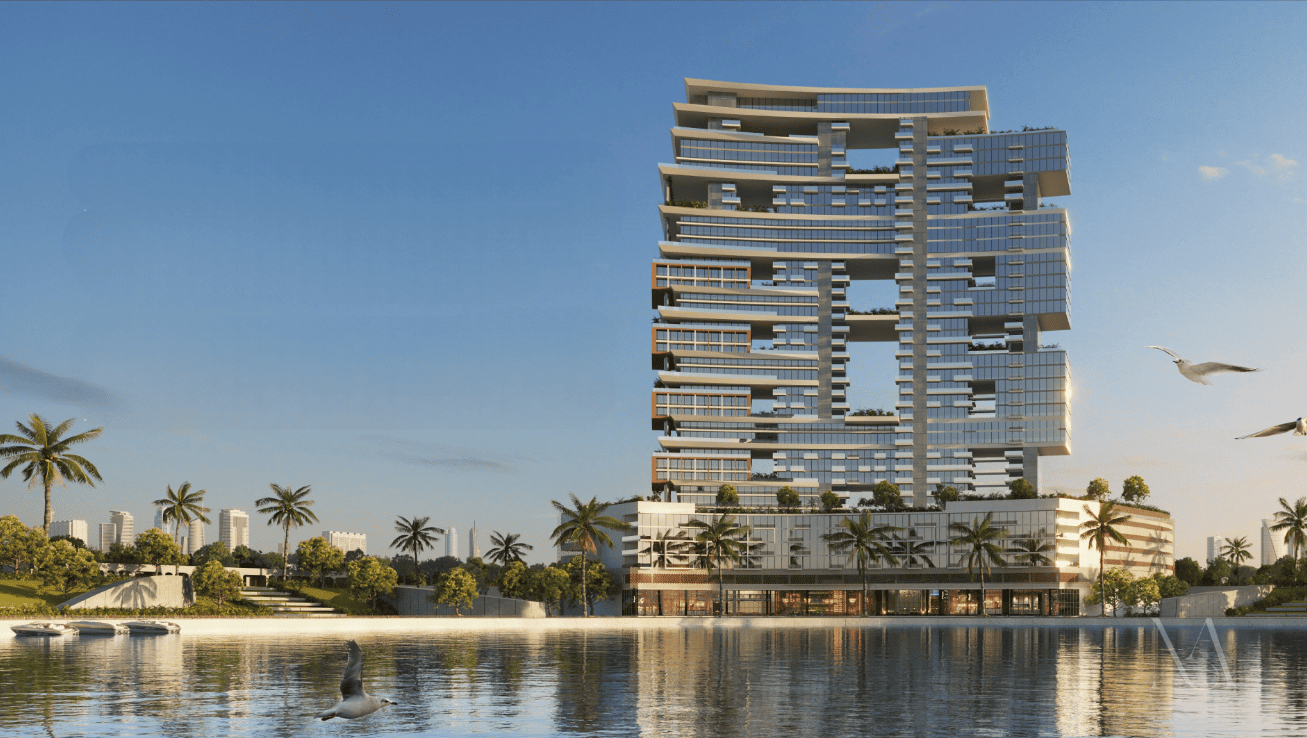
Al Reem Island
A dense high-rise island just off downtown Abu Dhabi — the emirate's most liquid apartment market with strong yields and expat rental demand.
Al Reem Island commands a gross rental yield of 4.5–5.5% for apartments, supported by strong expat demand and proximity to employment hubs like ADGM and downtown Abu Dhabi. The growth catalyst is continued ADGM expansion, infrastructure upgrades (including planned metro-style transit studies), and limited new supply relative to demand, positioning the island as Abu Dhabi's most resilient secondary market. Key risks include oversupply in certain tower segments (e.g., Marina Square), developer track record variability (some projects faced delays), and potential yield compression if Abu Dhabi's oil-dependent economy softens. The Dubai equivalent is Business Bay or Downtown Dubai—similar density, mixed-use character, and institutional investor presence. Outlook for 12–24 months: steady capital appreciation (2–4% annually) with stable rental yields, supported by ADGM's growth and limited competing supply; downside risk if Abu Dhabi's economic growth stalls or new competing projects (e.g., Saadiyat Island expansion) divert demand.
Connectivity & access
What’s nearby
FAQs
Is Al Reem Island a good investment right now?
Yes, for yield-focused investors and owner-occupiers seeking liquidity and stable rental income. Al Reem Island offers 4.5–5.5% gross rental yields with strong expat demand from ADGM and downtown Abu Dhabi professionals. The island's high transaction velocity and diverse tower inventory provide good exit optionality. However, capital appreciation is moderate (1–3% annually), so it suits income investors more than capital-growth speculators; oversupply in certain towers and economic sensitivity to Abu Dhabi's oil sector are key risks to monitor.
Who is Al Reem Island best suited for?
Al Reem Island is ideal for yield-focused buy-to-let investors seeking stable rental income from expat professionals, as well as end-user families and young professionals valuing walkability, urban amenities, and proximity to employment hubs. The island also attracts short-term investors and holiday-home buyers due to its tourism proximity and hospitality infrastructure. Owner-occupiers benefit from the community's liquidity, diverse dining and retail, and waterfront lifestyle; however, those seeking capital appreciation or suburban tranquility may prefer alternatives like Saadiyat Island or Yas Island.
What are typical prices in Al Reem Island?
Studio and 1-bedroom apartments typically range from AED 400,000–600,000 (AED 1,200–1,500/sqft), while 2-bedroom units are priced at AED 700,000–1,100,000 (AED 1,100–1,400/sqft). Premium penthouses and larger units can exceed AED 2,000/sqft. Entry-ticket apartments are among the most affordable in Abu Dhabi's prime districts, making Al Reem Island accessible to first-time buyers and investors with moderate capital. Villas are rare; the market is dominated by apartments across multiple tower developments.
How is Al Reem Island connected to the rest of the UAE?
Al Reem Island is connected to downtown Abu Dhabi and the mainland via three bridges, providing direct access to E11 (Sheikh Zayed Road) and E12 (Al Mina Road). The island is walkable to ADGM on Maryah Island and approximately 10–15 minutes by car to Abu Dhabi International Airport, 20–25 minutes to Mussafah industrial zone, and 1.5–2 hours to Dubai. Internal bus networks serve the island; however, no metro or tram service is available. Future transit studies suggest potential metro-style connectivity, which could enhance connectivity further.
Can foreigners buy freehold in Al Reem Island?
Yes, Al Reem Island is designated as a freehold investment zone by Abu Dhabi, permitting expats to purchase properties on a freehold basis (typically 99-year leasehold renewable). This is part of Abu Dhabi's broader freehold policy covering Reem Island, Yas Island, Saadiyat Island, Maryah Island, and Raha Beach. Buyers should verify the specific tenure terms with the developer or ADREC (Abu Dhabi Real Estate Centre) registry, as some older projects may have different lease structures. Non-UAE nationals can finance purchases through local banks, though some lenders impose stricter requirements for expats.
Properties in Al Reem Island
View all 36 →