Ras Al Khaimah City
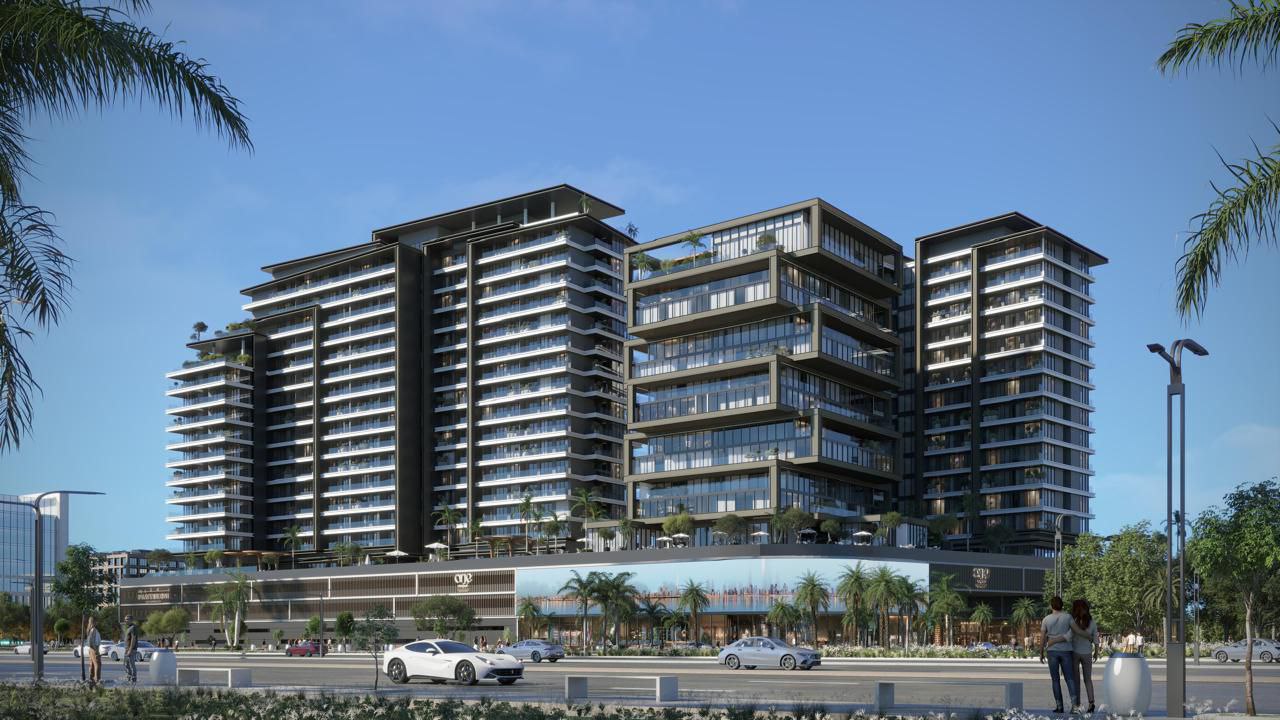
The urban core of RAK emirate — mixed-use, apartment towers, government offices and RAK's commercial heart.
Ras Al Khaimah City offers gross rental yields of 4–5.5% on apartments, supported by government employment and administrative activity, though capital appreciation has been flat to low (0–2% annually over 2021–2024). The growth story hinges on Etihad Rail passenger connectivity (planned mid-to-late 2020s), Al Marjan Island's continued buildout nearby, and RAK's positioning as a light-manufacturing and logistics hub. Key risks include oversupply of mid-range apartments, developer concentration (Julphar, Nakheel RAK), and limited diversification beyond government tenancy. A Dubai investor would anchor this as equivalent to Deira or Bur Dubai — older urban core, functional rather than aspirational, with steady but unspectacular returns. 12–24 month outlook: stable rental market, modest price appreciation (1–3%), and potential upside if Etihad Rail passenger service launches on schedule.
Connectivity & access
What’s nearby
FAQs
Is Ras Al Khaimah City a good investment right now?
RAK City offers stable rental yields (4–5.5%) and affordable entry prices, making it suitable for yield-focused investors and first-time buyers. However, capital appreciation has been modest (0–2% annually), and the market is driven primarily by government employment rather than speculative demand. The upcoming Etihad Rail passenger service could provide a medium-term catalyst, but oversupply of mid-range apartments remains a headwind. Best suited for buy-and-hold investors seeking steady cash flow rather than rapid capital gains.
Who is Ras Al Khaimah City best suited for?
End-user families and young professionals working in government or service sectors are the primary occupants. Yield investors find a stable tenant base but limited upside. Expat workers in logistics, light manufacturing, and administration form a secondary demand pool. Holiday-home and luxury-focused buyers should look to Al Marjan Island or mountain communities instead — RAK City is functional and affordable, not aspirational.
What are typical prices in Ras Al Khaimah City?
1-bedroom apartments: AED 280,000–420,000 (AED 700–950/sqft). 2-bedroom apartments: AED 420,000–750,000 (AED 750–1,050/sqft). Studios: AED 180,000–280,000 (AED 400–600/sqft). Villas in peripheral areas: AED 800,000–1.5 million (AED 800–1,300/sqft). Entry-level 1-bed apartments start around AED 280,000, making RAK City one of the most affordable urban markets in the UAE.
How is Ras Al Khaimah City connected to the rest of the UAE?
E11 (Sheikh Zayed Road) runs north-south through RAK City, connecting to Sharjah (45 min drive) and Dubai (90 min). E311 links to central UAE and Fujairah. Public bus services operate within RAK but are limited; most residents rely on private vehicles. Etihad Rail passenger service is planned to connect RAK City to Abu Dhabi and Dubai by mid-to-late 2020s, which will significantly improve connectivity. Drive times: Sharjah City Centre ~45 min, Dubai Mall ~90 min, Abu Dhabi city ~2 hours.
Can foreigners buy freehold in Ras Al Khaimah City?
Yes, RAK permits expat freehold ownership in designated zones, including Ras Al Khaimah City. Freehold apartments and villas are available for purchase by non-UAE nationals without restrictions in most of the urban core. Leasehold options (typically 99 years) are also available. Buyers should verify freehold eligibility with the developer and RAK Municipality (RAKMU) registry before purchase. Mortgage financing is available from RAK-licensed banks and international lenders.